Image Guided Radiation Therapy (IGRT) is an advanced radiation technique that uses imaging performed immediately before, and sometimes during, each treatment session to verify the exact position of a tumour. Because tumours can shift slightly between sessions — or even move during treatment due to breathing — IGRT allows the radiation oncology team to confirm accurate targeting every time, adjusting the patient’s position or the treatment plan as needed.
At Dr. Charu Garg’s Radiation Oncology practice in South Delhi, IGRT is used alongside other advanced techniques such as IMRT and RapidArc to deliver highly precise, personalized cancer treatment while protecting healthy surrounding tissue.
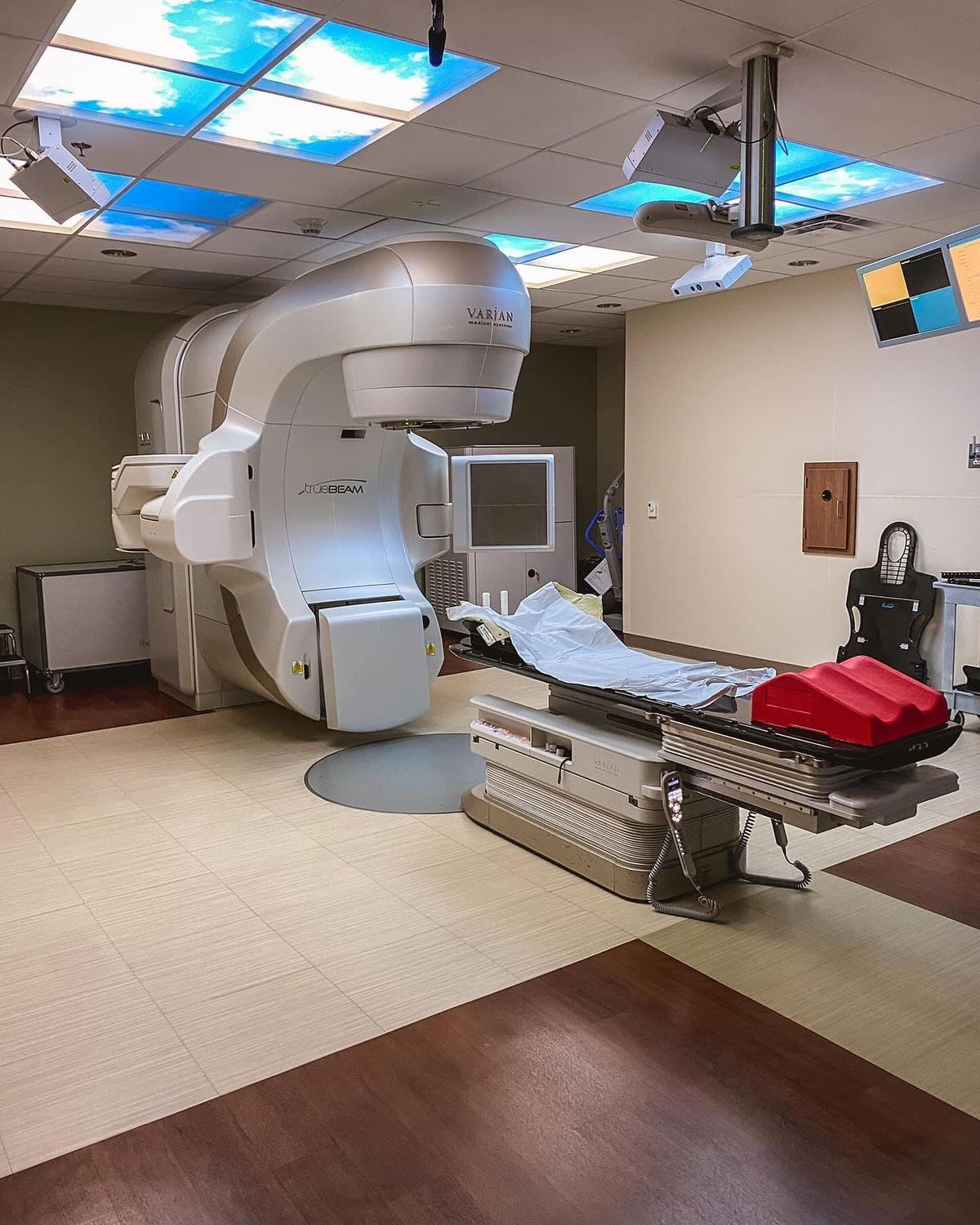
Image Guided Radiation Therapy (IGRT) combines a linear accelerator with onboard imaging technology, such as cone-beam CT, to capture detailed images of the tumour and surrounding anatomy right before treatment begins.
These images are compared with the original treatment-planning scans, allowing the radiation therapy team to make small adjustments to the patient’s position or the treatment beams before each dose is delivered.
This added layer of verification is especially valuable for tumours in areas of the body that can move or change shape over the course of treatment, such as the lungs, prostate, liver, or abdominal organs.
Onboard imaging captures real-time scans right on the treatment table, matching daily patient anatomy with the baseline treatment plan.
Accounts for organ shifts caused by breathing, digestion, or bladder filling to protect critical healthy structures surrounding the tumour.
Before starting IGRT, patients undergo a CT simulation, and sometimes MRI or PET-CT imaging, to create a detailed reference plan. Then, before each treatment session, additional imaging is performed on the treatment table itself.
The radiation oncology team uses this to check for changes such as:
If any adjustments are needed, the treatment table or beam angles are corrected before radiation is delivered, helping ensure that each session targets the tumour as accurately as the original treatment plan intended.
Image Guided Radiation Therapy enhances precision by confirming tumour position in real time before every single dose delivery.
Confirms accurate tumour targeting before every treatment session through immediate on-couch imaging.
Well suited for tumours that shift due to breathing cycles, bladder filling, or natural bowel movements.
Sharper targeting allows tighter treatment margins, sparing neighboring organs and reducing side effects.
Frequently combined alongside IMRT, RapidArc, SBRT, and SRS for heightened overall precision.
Imaging verification and radiation delivery are performed comfortably without surgery, incisions, or needles.
The added positioning accuracy allows oncologists to confidently deliver targeted doses for optimal tumour control.
IGRT is widely used across many cancers treated at Dr. Charu Garg’s South Delhi practice, particularly where tumours or neighboring organs are prone to movement between or during treatment sessions.
Dr. Charu Garg has more than 25+ years of experience in Radiation Oncology and integrates IGRT into her broader use of advanced radiation techniques to ensure treatment accuracy throughout each patient’s course of therapy.
Consulting from Max Smart Hospital and Max Saket East Block, both in Saket, patients from across South Delhi consult Dr. Garg to understand how IGRT supports the accuracy of their overall treatment plan.
No. The imaging and treatment delivered during IGRT are painless. Patients do not feel the imaging scans or the radiation itself.
IGRT sessions may take slightly longer than standard sessions because of the additional imaging performed before treatment, though the exact time depends on the treatment area and technique combination.
IMRT shapes and modulates the radiation beam itself for precise dose delivery, while IGRT adds imaging verification immediately before treatment to confirm the tumour’s exact position. The two are often used together.
Yes. IGRT is particularly valuable for tumours in areas of the body affected by breathing or organ filling, such as the lungs, prostate, liver and abdominal organs, since it verifies tumour position at each session.
Yes. IGRT is frequently combined with IMRT, RapidArc, SBRT and SRS to add an extra layer of positioning accuracy to those treatments.
Dr. Charu Garg offers IGRT from Max Smart Hospital and Max Saket East Block, both in Saket, South Delhi, with appointments available online or by phone.
 Get Direction