Stereotactic Radiosurgery (SRS) is a highly advanced radiation therapy technique that delivers a powerful and precisely focused dose of radiation to tumours and certain neurological conditions without the need for traditional surgery. Despite its name, SRS is a non-invasive treatment that does not involve surgical incisions or anesthesia.
At Dr. Charu Garg’s Radiation Oncology practice in South Delhi, SRS is used to treat selected brain tumours and other intracranial conditions with exceptional precision. The treatment is carefully planned using advanced imaging and computer-guided technology to target abnormal tissues while protecting healthy brain structures.
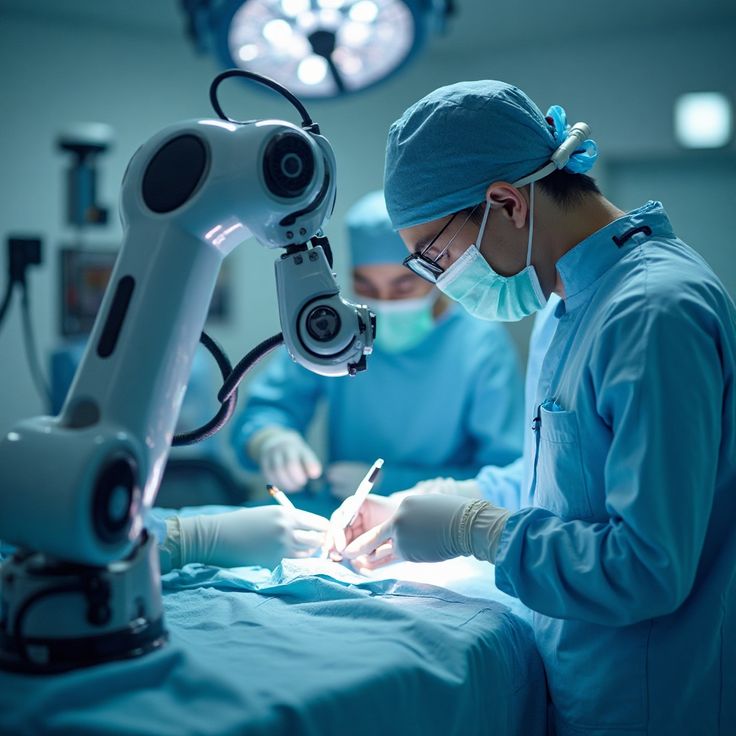
Stereotactic Radiosurgery (SRS) is an advanced form of radiation therapy designed to treat small tumours and abnormalities located within the brain. Using high-dose radiation delivered with sub-millimeter accuracy, SRS destroys abnormal cells while minimizing radiation exposure to nearby healthy tissue.
Unlike conventional radiation therapy, which is delivered over several weeks, SRS is often completed in a single treatment session or a few highly focused sessions, depending on the patient’s condition — providing effective treatment with greater patient convenience.
SRS delivers highly focused, high-dose radiation with sub-millimeter accuracy while protecting surrounding healthy brain tissue.
Most SRS treatments are completed in a single session or a few carefully planned sessions, providing effective treatment with greater patient convenience.
Before treatment begins, detailed imaging studies such as CT, MRI, or PET-CT scans are performed to accurately identify the location, size and shape of the lesion. These images allow the radiation oncology team to create a highly precise treatment plan while protecting nearby healthy tissues.
The treatment planning process includes:
During SRS treatment, highly focused radiation beams are delivered with sub-millimeter accuracy to the targeted lesion from multiple angles. Advanced image guidance and continuous patient monitoring ensure maximum precision, helping preserve healthy surrounding tissue while delivering an effective dose in one or a few treatment sessions for patients across South Delhi.
Stereotactic Radiosurgery (SRS) is a highly advanced, non-invasive radiation treatment that delivers high-dose radiation with exceptional accuracy. It offers excellent tumour control while protecting healthy brain tissue, reducing recovery time, and improving the overall treatment experience.
Treats brain lesions without open surgery or hospitalization.
Delivers effective treatment without any cuts, stitches, or surgical wounds.
Targets tumours with sub-millimeter accuracy while protecting nearby healthy tissue.
Highly focused radiation minimizes exposure to surrounding normal brain tissue.
Most treatments are completed in one or only a few sessions.
Provides effective treatment with fewer visits than conventional therapy.
Patients usually recover more quickly and return to daily activities sooner than after surgery.
Avoids many of the risks associated with traditional brain surgery.
Excellent tumour control with fewer side effects.
Dr. Charu Garg’s South Delhi practice uses SRS to treat a variety of complex intracranial lesions and neurological conditions with exceptional accuracy.
Dr. Charu Garg is a highly experienced Radiation Oncologist with more than 25 years of expertise in advanced radiation therapy techniques. She provides personalized, evidence-based cancer care using state-of-the-art technology to deliver precise, safe and effective treatment for a wide range of cancers.
Consulting from Max Smart Hospital and Max Saket East Block, both in Saket, patients from across South Delhi consult Dr. Garg at her Saket clinic to understand whether SRS is the right treatment option for their brain lesion or intracranial condition.
No. Despite its name, Stereotactic Radiosurgery (SRS) does not involve any surgical incision. It is a non-invasive radiation treatment that delivers highly focused radiation with exceptional precision.
No. SRS treatment is painless, and patients generally do not experience pain while receiving radiation therapy.
Many patients complete SRS in a single treatment session, although some medical conditions may require a few sessions based on the treatment plan.
In selected cases, SRS may be an effective alternative to brain surgery. The most appropriate treatment depends on the type, size, location and characteristics of the condition.
Most patients tolerate SRS very well. Some may experience temporary fatigue or mild swelling depending on the treatment area. Your radiation oncologist will explain the possible side effects before treatment.
Dr. Charu Garg offers SRS from Max Smart Hospital and Max Saket East Block, both in Saket, South Delhi, with appointments available online or by phone.
 Get Direction