Intensity Modulated Radiation Therapy (IMRT) is one of the most advanced forms of external beam radiation therapy available today. It delivers highly precise radiation doses that conform to the exact shape and size of a tumour while minimizing radiation exposure to nearby healthy tissues and critical organs.
At Dr. Charu Garg’s Radiation Oncology practice in South Delhi, IMRT is used to provide personalized cancer treatment with a strong focus on precision, safety and improved treatment outcomes. Every treatment plan is carefully designed according to the patient’s cancer type, tumour location and overall health to achieve the best possible results while reducing treatment-related side effects.
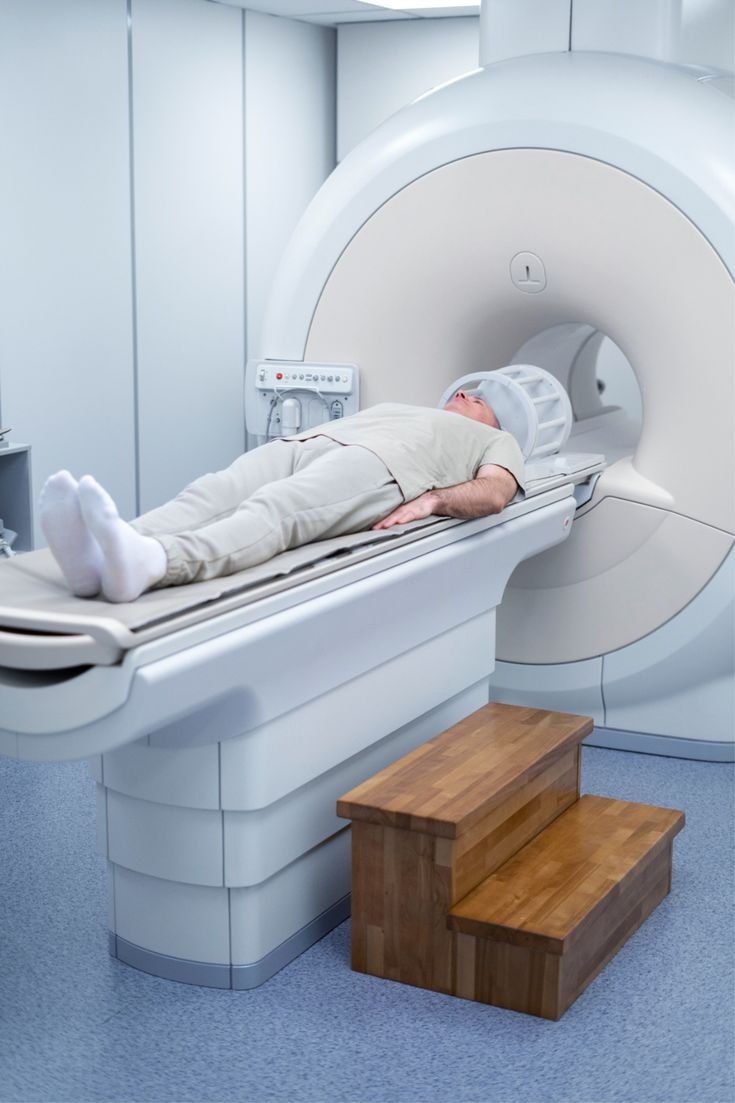
IMRT is an advanced radiation technique that uses computer-controlled linear accelerators to deliver radiation from multiple angles. Unlike conventional radiation therapy, IMRT can vary the intensity of each radiation beam, allowing higher doses to be concentrated on the tumour while protecting surrounding healthy tissues.
IMRT has become one of the preferred treatment options for many cancers because of its accuracy, effectiveness and ability to improve patient quality of life during treatment.
IMRT precisely controls the intensity of radiation beams, delivering higher doses directly to the tumour while minimizing exposure to nearby healthy tissues.
Especially effective for tumours located near sensitive organs such as the brain, spinal cord, lungs, heart, salivary glands, bowel and bladder, reducing the risk of treatment-related side effects.
The IMRT treatment process begins with detailed imaging, including CT scans and, when required, MRI or PET-CT imaging. These images help create a highly accurate three-dimensional model of the tumour and the surrounding healthy organs.
Using advanced treatment planning software, the radiation oncology team creates a personalized treatment plan that includes:
During each treatment session, a computer-controlled linear accelerator delivers radiation exactly according to the customized treatment plan. The procedure is completely painless, non-invasive, and usually takes only a few minutes, allowing patients across South Delhi to return to their normal daily activities soon after treatment.
Intensity Modulated Radiation Therapy (IMRT) is one of the most advanced forms of radiation treatment. By precisely controlling the intensity of each radiation beam, IMRT delivers highly targeted treatment while minimizing radiation exposure to surrounding healthy tissues and critical organs.
Targets the tumour accurately while minimizing exposure to nearby healthy tissues.
Significantly reduces unnecessary radiation exposure to surrounding organs.
Lower radiation exposure to normal tissues helps limit treatment-related complications.
Allows higher radiation doses to reach the tumour safely.
Every plan is customized according to the tumour’s size, shape and location.
Well suited for irregularly shaped tumours located close to critical organs.
Patients generally experience fewer side effects during treatment.
A completely non-surgical treatment with no incision, stitches, or hospitalization required.
IMRT is used across a wide range of cancers treated at Dr. Charu Garg’s South Delhi practice, including:
Dr. Charu Garg is an experienced Radiation Oncologist with more than 25+ years of expertise in advanced cancer treatment. She specializes in precision radiation techniques and has successfully treated patients with a wide range of cancers. Every treatment plan is individually designed after a detailed evaluation to ensure safe, effective and personalized cancer care.
Consulting from Max Smart Hospital and Max Saket East Block, both in Saket, her practice provides comprehensive oncological support. Patients from across South Delhi consult Dr. Garg at her Saket clinic to understand whether IMRT is the right technique for their diagnosis.
No. IMRT is completely painless. Patients do not feel the radiation during treatment.
The number of sessions depends on the type, size and stage of cancer. Dr. Charu Garg will develop a personalized treatment schedule based on your condition.
For many cancers, IMRT offers greater precision, improved tumour targeting and reduced radiation exposure to healthy tissues compared to conventional radiation therapy.
Yes. IMRT is often used along with surgery, chemotherapy, targeted therapy, or immunotherapy as part of a comprehensive cancer treatment plan.
Many patients are able to continue their normal daily activities during treatment, although some may experience mild fatigue or other temporary side effects.
Dr. Charu Garg offers IMRT from Max Smart Hospital and Max Saket East Block, both in Saket, South Delhi, with appointments available online or by phone.
 Get Direction